


Blog

Right now, half the country is at the beach, and the HR inbox is, thankfully, a little emptier than usual. But this is also when the difficult questions quietly start piling up for when everyone returns. Five weeks of vacation. It sounds simple, right up until you have to make it work for 200 employees, three teams, and a December deadline all at the same time. Here is what really bugs HR—and what a system can take care of.

The EU Pay Transparency Directive is on its way, and most people in HR know that things need to be put in place. The Danish legislative proposal suggests that the rules will come into effect on January 1, 2027. That might not sound urgent, but when you look at everything that needs to be documented, structured, and communicated, now is a good time to get started.

On May 20th, HR professionals and leaders gathered for a networking meeting on AI in HR at Mindkey. Two speakers. One common question: what does it require of us when AI becomes part of the way we work? Here are the key takeaways from the day - and an invitation to dive deeper into the topic at our webinar on June 17th.
Imagine a salary review six months from now. Your employee is sitting across from you. She knows what her colleagues in the same role earn on average. She knows where her salary places her in the category. And she knows which criteria apply. This is a different conversation than the ones you have had before. The EU Pay Transparency Directive is about to take effect – and most of the attention so far has been on compliance, documentation, and deadlines. That is relevant. But it is only half the picture.

Only 14% of companies globally have fully implemented a pay transparency strategy. This is according to Mercer's Global Pay Transparency Survey 2026 – the world's largest study, covering over 1,600 organizations across 60 markets. The problem is rarely the pay itself. It is the lack of explanation.

AI is playing an increasingly prominent role in HR. From recruitment to analytics and salary structures, the technology is already part of everyday life in many places. However, the AI Act introduces new requirements for how AI is used in practice. It is not just about compliance, but equally about creating an overview, structure, and working responsibly with data and decisions. In this post, we take a closer look at what the AI Act means for you as a company and what you specifically need to be aware of when AI becomes part of your HR setup.

HR is in the midst of its biggest role transformation in decades. Not because technology is forcing it, but because expectations are. Management wants strategic sparring. Employees expect personalized experiences. And legislation requires documentation that manual processes can never deliver with sufficient quality. In this post, we look at where HR is heading and what it requires from the systems and practices you rely on today.

In practice, it is at least as much about data, structure, and work processes as it is about the technology itself. Without a clear foundation, AI risks creating more complexity than value. At the same time, it is crucial to choose solutions that handle data responsibly and comply with the requirements of the AI Act. Only when everything is aligned does AI truly begin to free up time in a way that works in practice.

AI is playing an increasingly important role in HR - but how do we use it responsibly? With the EU AI Act, it is becoming crucial to understand how AI is applied in practice - from recruitment to pay transparency.

There is news regarding the Pay Transparency Directive. Implementation may be postponed until 2027, but that is no reason to rest on your laurels. Read about what the proposed legislation means and how you can prepare now.

Pay transparency is not just a matter of reports and percentages. It begins with something fundamental: your job structure. If job types, responsibilities, and levels are not clear, documentation quickly becomes cumbersome and conversations difficult to explain. But when the structure is in place, pay transparency becomes far more manageable. It provides a better overview, fairer decisions, and an easier dialogue between HR, managers, and employees.

HR wants to work strategically, but too often, time is consumed by operations, corrections, and manual processes. With new requirements for documentation and pay transparency, the question becomes even more pressing. Is your setup designed to free up time or consume it? In this post, we look at why time has become the real bottleneck for growth and how structure and automation can give HR the space to support management more strategically.

We spoke with John Beckmann, CEO of Mindkey, about pay transparency and why he sees it as an opportunity for companies rather than just another administrative requirement. For John, pay transparency is more about creating clarity, consistency, and fairness in compensation than it is about complying with new legislation.

The EU's upcoming Pay Transparency Directive introduces new requirements for companies in both the private and public sectors. By June 2026 at the latest, many Danish companies must be able to document their pay structure, explain pay gaps, and work more transparently with compensation—both during recruitment and internally.

Pay transparency is often associated with new EU requirements, increased administration, and concerns about bureaucracy. But what if it doesn't have to be a burden? Instead of viewing pay transparency as a heavy task, it can be a strategic move that strengthens trust, fairness, and decision-making—for employees, managers, and the organization as a whole.

At Mindkey, we believe that the best solutions are created together with those who use them every day. 2025 has truly been a year where that collaboration has proven its worth.

2026 will be the year HR truly becomes even more strategic. A year where the HR department is not just a support function, but a central partner in business development. At Mindkey, we see three trends in particular that are gaining momentum—and are simultaneously supported by changes in both legislation and labor market policy.

Pay transparency requires a clear structure for jobs, roles, and compensation. In this post, we look at how AI can help HR analyze existing HR data and suggest a structure that makes the work of achieving pay transparency faster and more manageable.

For many managers and HR departments, the final months of the year mean performance reviews – or annual appraisals, as most call them. It is a natural time to look back, evaluate the year, and set the direction for the next. But for the conversation to create real value – for both the employee and the company – it requires structure, preparation, and follow-up. This is where our conversation/development module can make a big difference.

The government's legislative program for 2025/2026 has been published, setting the direction for many of the themes that HR and employers must address in the coming year. Kromann Reumert has provided a thorough summary of the most important changes and trends – and here is our brief perspective on what this means from an HR and Mindkey point of view.

Planning and conducting interviews is a central part of the recruitment process – and this applies not only to logistics, but also to experience and evaluation. With Mindkey, you get an integrated solution that makes the process both smooth and professional. At the same time, data from the 2025 Recruitment Analysis shows that the interview phase is more important than ever.

In 2023, the EU adopted the new Pay Transparency Directive, which aims to combat unequal pay and ensure fairer wage structures in companies. The directive must be implemented into Danish law by June 2026 and introduces new requirements for employers, including pay transparency, the right to know the criteria for pay setting, and a ban on pay secrecy clauses.
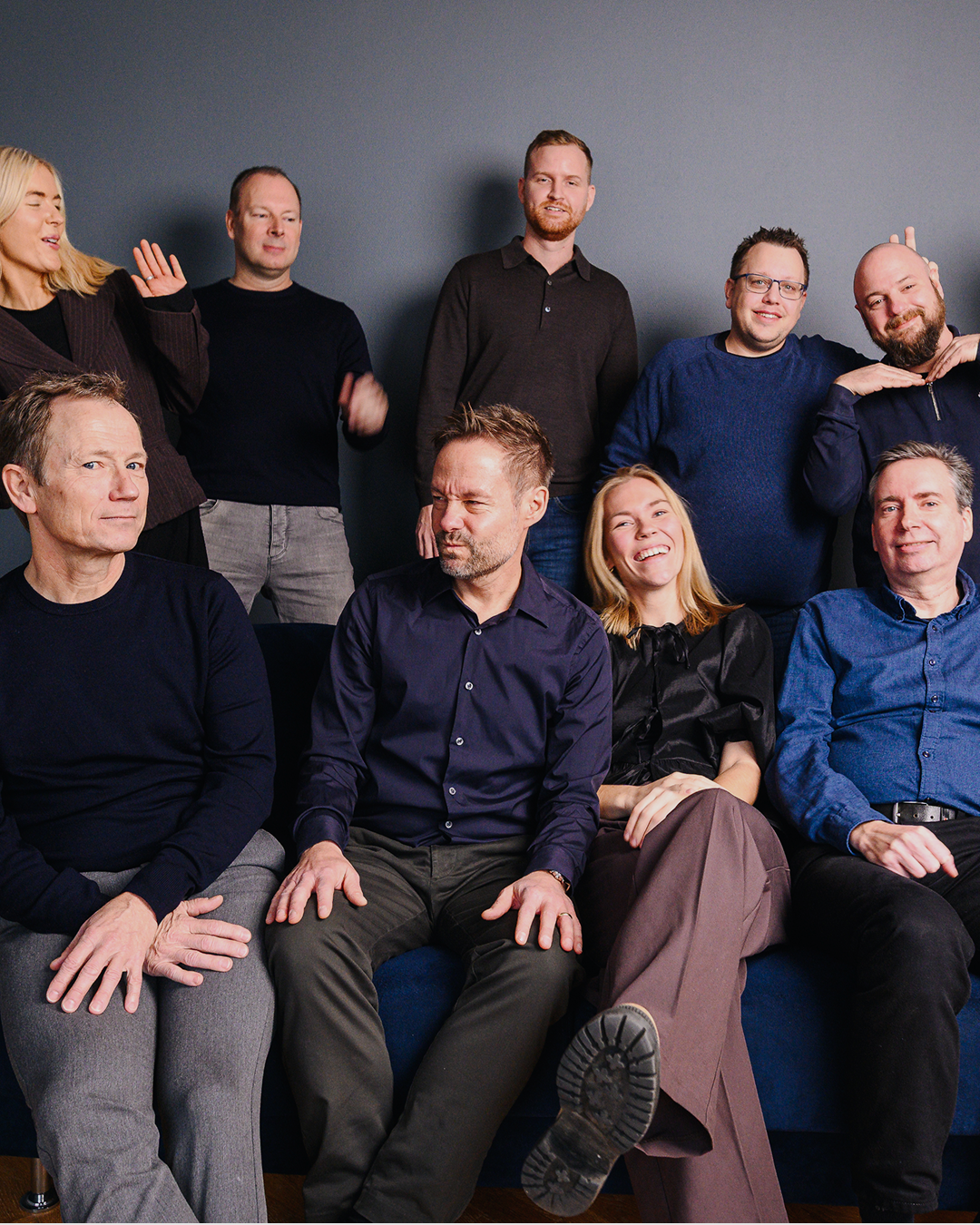
Today marks World Mental Health Day across the globe – an important reminder that mental health is not just about preventing stress, but about creating sustainable frameworks for well-being, balance, and human development. At Mindkey, we believe that mental well-being should not be a campaign topic for one day a year – but a focus woven into the way we work and collaborate every single day.

After the summer holidays, many companies begin a new season with new employees, new projects, and renewed energy. But in the midst of the hustle and bustle, many forget an important part of the journey: preboarding. While onboarding focuses on the first few weeks after the first day of work, preboarding covers the period from the signed contract to the first day. This is where the relationship between the employee and the company truly begins.

An HR system is more than just a place to store data – it should make your everyday life easier. In this post, we go through what a modern HR system should include and how Mindkey brings it all together in one place: from recruitment and performance reviews to vacation, payroll, and integrations.

We are often asked: “Is Mindkey an HR system or a management tool?” And the answer is: It’s both. Mindkey is built to unite HR and management in one shared system – where everyone works from the same data, but with access to what is relevant for their role. This creates an overview, saves time, and leads to better everyday decisions.

For many, summer is a much-needed breather – even in HR. But this slightly quieter period also provides an ideal opportunity to get a handle on the things that can make a difference when everyday life shifts back into high gear.

The holiday year officially changes on September 1st – and with it come new opportunities and obligations for both employees and employers. Now is the time to ensure that holiday planning is in place and that any holiday days are carried over correctly.

Handling employee data is an essential part of any HR department. Whether it involves recruitment, daily administration, or terminations, it requires precision and systematic processes to ensure that data is accurate, accessible, and stored in compliance with GDPR.

Did you know that you can use Mindkey directly from your smartphone? With our mobile app, you have access to MindKey wherever you are – whether you are working from home, on the go, or at the office. It makes it easy to manage employee information, tasks, and approvals.

In a world of constant change, the HR department today is much more than just an administrative function. From ensuring well-being and engagement to supporting the company's strategic goals, HR plays a key role – and future HR platforms must be equipped to keep up. With Mindkey, your HR department gets not only a tool to ease daily tasks, but also a partner in developing the workplace of tomorrow.

Navigating the many possibilities an HR system can offer can be a major task. At MindKey, we understand that not all organizations have the same needs, and we have designed our platform with flexibility and user-friendliness in mind. Here, we share some suggestions on how MindKey can help in your daily work and support your HR tasks in a simple and effective way.

As the labor market evolves, it is essential for companies to adapt their HR strategies. A recent Forbes article highlights five key HR priorities that can contribute to success in 2025. Companies that address these areas will have a better chance of attracting and retaining talent while improving their business results.

Over the years, Træfpunkt HR has been a key event for HR professionals across Denmark. It is a unique opportunity to meet, network, and discover new tools and solutions that can strengthen HR work in all types of organizations. At MindKey, we have always valued being part of this inspiring environment. Therefore, it may come as a surprise to some of you that we have chosen not to participate in Træfpunkt HR 2024 this year.

It has now been almost a year since Amalie Tinghøj Arskov joined MindKey, and we are delighted to have her on our marketing team. Amalie’s journey with us is a great example of how a careful and supportive onboarding process can help new employees get off to a good start and feel confident in a new role.

Competence development is a vital part of helping employees grow their talents and contribute to the company's success. In our latest blog post, you can read about how strategic competence development can help optimize skills, close competence gaps, and adapt to market changes. We also share how tools like Mindkey and experiences from CS Wind Offshore can make a difference for recruitment, productivity, and employee engagement.

In today's competitive job market, it is essential for HR departments to have a well-thought-out recruitment strategy. Many employers do their best to work in a targeted manner with recruitment, using their experience to determine what works and what does not.

In our modern age, data security and GDPR compliance are critical topics for every business. At MindKey, we take pride in embracing these requirements so that your HR processes are always in line with current regulations. We sat down with our partner, Søren, who shared his expertise on how we ensure GDPR compliance and protect our customers' data.

In a digital world, HR is undergoing a major transformation, optimizing how companies manage their employees. This development opens up new opportunities for efficiency, engagement, and strategic insight.

As we look ahead to recruitment for the remainder of 2024, it is clear that companies are facing significant challenges. The shortage of qualified applicants and the fierce competition for top talent are being felt across Denmark. To understand how companies can best navigate these challenges, we spoke with John Beckmann, CEO of MindKey. Here, he shares his thoughts and advice on how to manage this.

We sat down with Henrik, one of our skilled support consultants at MindKey, to get a behind-the-scenes look at our support department. With a passion for ensuring a fantastic customer experience, Henrik shares his insights and experiences on how MindKey works to deliver fast and lasting solutions.

Book a demo
Want to see how Mindkey can work for your organization? Book a no-obligation demo where we will show you the system and focus on your daily operations and needs.