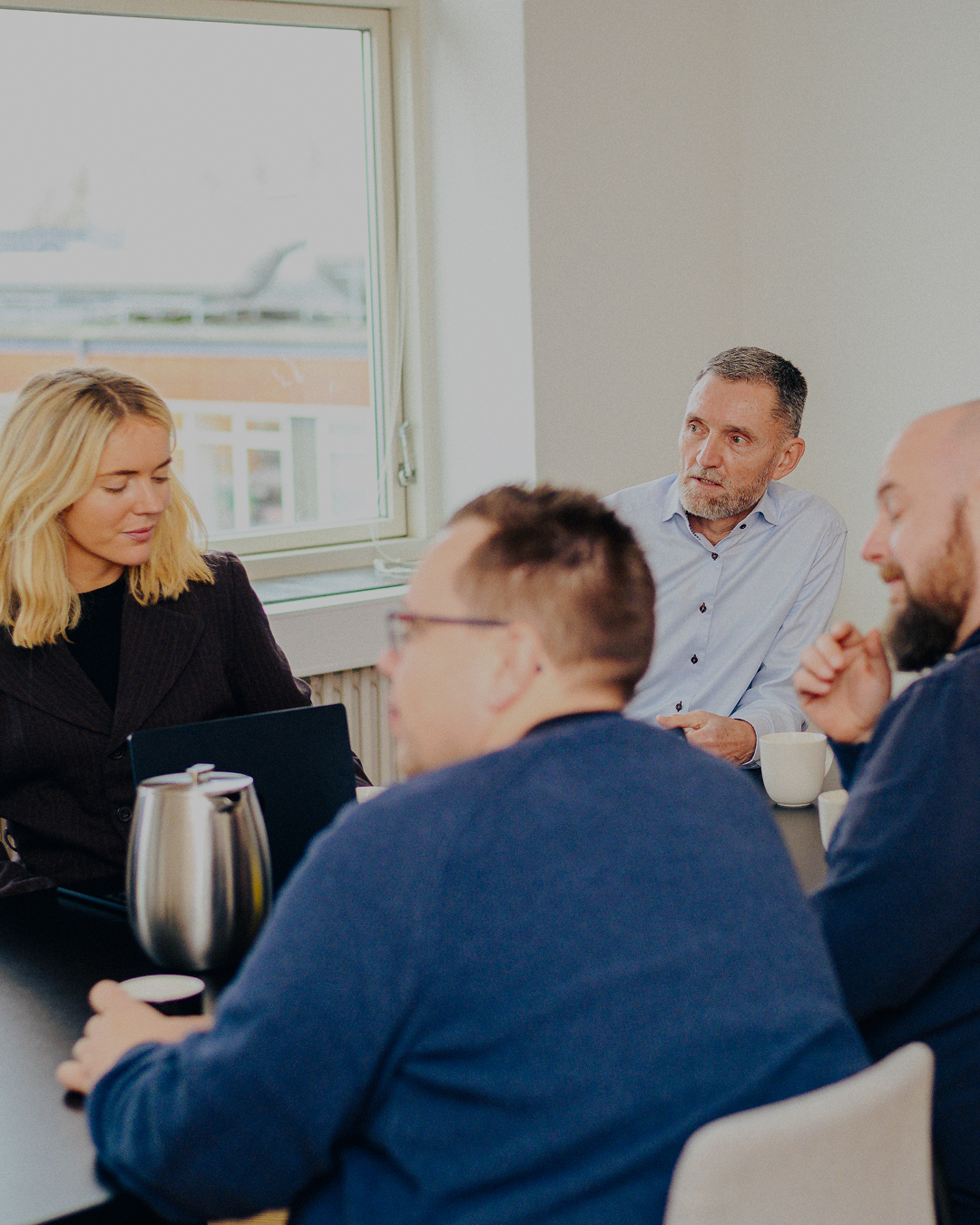
We have worked closely with clients across industries - from municipalities and football clubs to hotels, cultural institutions and manufacturing companies. Common to all of them is the desire for more structure, overview and coherence in HR work.
When reality shapes the solution
Our system only gets better when it reflects the reality of those who use it. During the year, in close dialogue with our customers, we have developed new functions, adjusted processes and shared experiences that make everyday life easier for HR, managers and employees alike.
Among other things, our recruitment module has been upgraded, and many customers are already working on the new portal, which has been shaped through continuous feedback and concrete inputs. At the same time, our onboarding module has been expanded by further preboarding in cooperation with customers, so that they are even stronger in hiring new employees throughout the recruitment process.
It is in the dialogue that the ideas arise
As we challenge, simplify and find new ways of doing things together. A good example is the further development of our compensation review module, which this year has been strengthened in close cooperation with Bellagroup - especially with the help of Helle Kejser, Senior Business Partner, and Maria Mulbjerg Thimsen, HR Business Partner. Their perspectives and experiences from the client side have helped shape the module from practice.
Cross-border collaboration
We are proud to work with customers who dare to think new things and invite us right into the engine room when HR needs to be rethought. Whether it's onboarding, skill development, absenteeism or salary regulation, it's precisely the collaboration that makes the difference.
We look forward to sharing everything we have in the pipeline for the coming year. This applies to both solutions and functions that we have worked on for a long time, often in close cooperation with our customers. Among other things, we already have Pay transparency on the way, developed based on future legislation and concrete needs from practice.
Thank you for the year 2025
Thank you to all of you who have contributed to the development of Mindkey in 2025.
Thank you for the sparring, honesty, feedback and trust.
It is your input that makes Mindkey what it is today and what it will be tomorrow.
We look forward to a 2026 filled with new ideas, new features and new collaborations.
Merry Christmas and Happy New Year.